


Research
Department of Epidemiology
Our faculty are active researchers on projects funded by the National Institute of Diabetes and Digestive Kidney Diseases, Centers for Disease Control & Prevention, and the National Heart, Lung and Blood Institute, among others.
Research Interests
Cancer Epidemiology
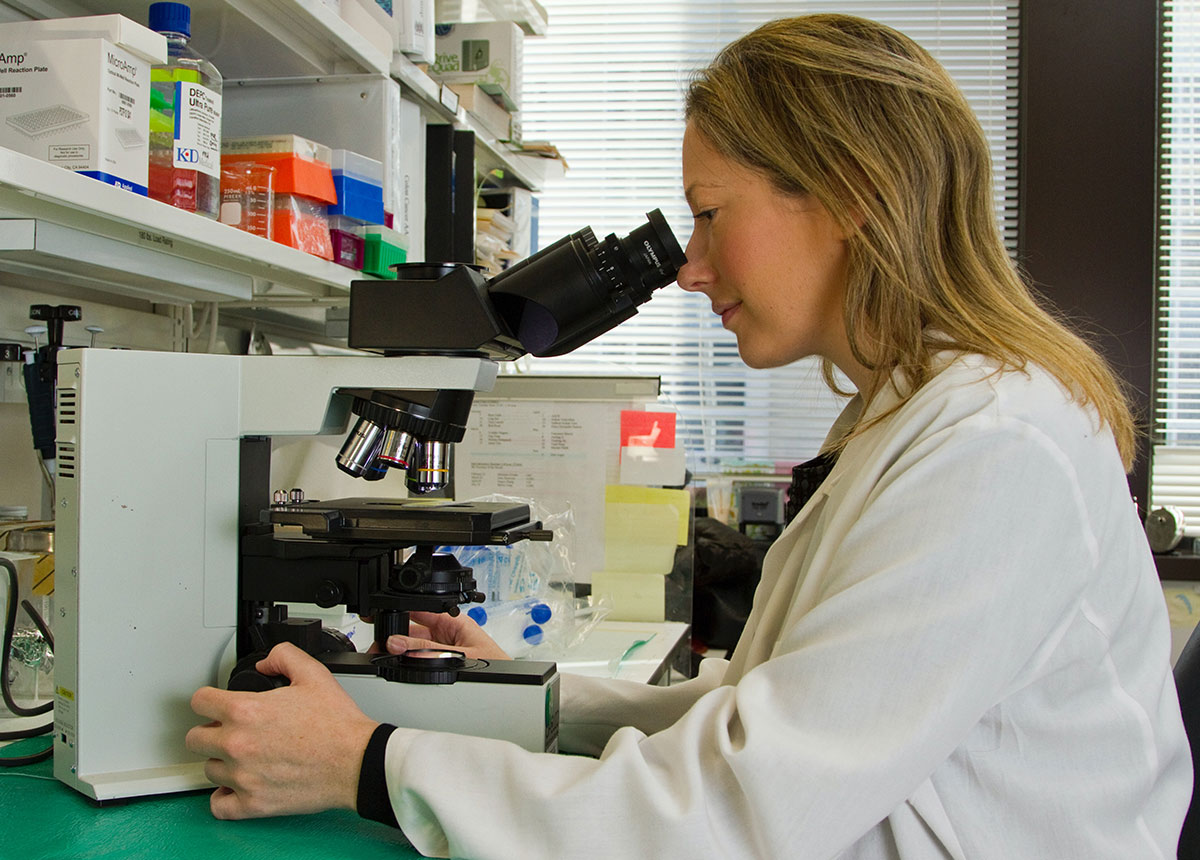
Cancer epidemiology includes a wide range of public health research that covers the entire cancer continuum from cancer etiology and risk factors to early detection and screening to treatment to survivorship, with critical risk assessments and risk predictions throughout. The overall goal is to reduce the burden of cancer experienced by populations and communities across Colorado and beyond. To have broad impact, cancer epidemiology inherently uses a team science approach that expands beyond epidemiology to include all aspects of public health, basic science, clinical science, as well as state and community partnerships. In addition, epidemiological principles are essential to the burgeoning areas of real-world data analysis and real-world evidence generation, areas of importance to pharmaceutical companies and government agencies for regulatory approvals, especially with respect to the use of causal inference methods. Cancer epidemiology at the University of Colorado (CU) is broadly supported across many Schools and Colleges, and specifically supported by the CU Cancer Center through the Cancer Prevention and Control (CPC) Research Program, the Office of Community Outreach and Engagement (COE), and the Population Health Shared Resource (PHSR).
Ophthalmic Epidemiology
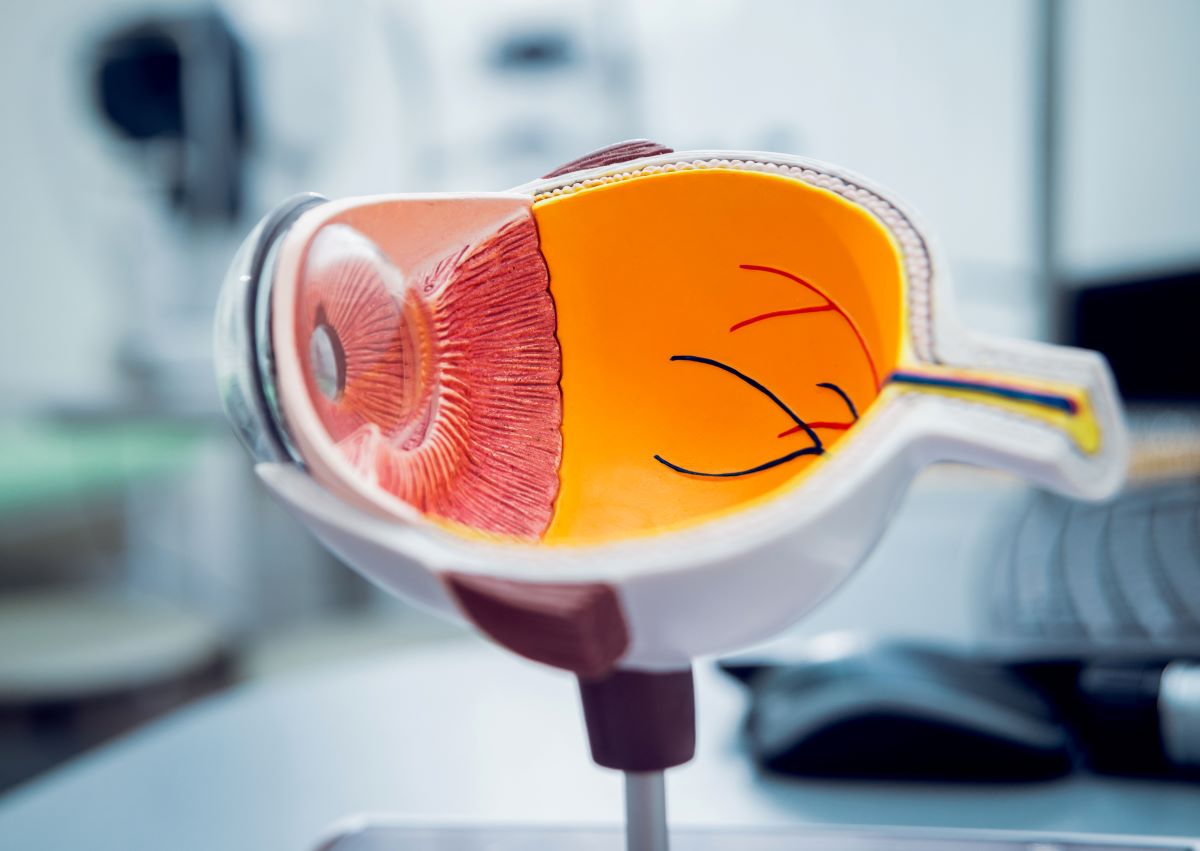
The Department of Ophthalmology and the Sue Anschutz-Rodgers Eye Center serve as the primary academic home for four full-time epidemiologists and a secondary home for an additional epidemiologist. The department also includes full- and part-time statisticians and artificial intelligence (AI) experts who actively support epidemiological, clinical, and evidence of synthesis research in eye and vision science. The Division of Ophthalmic Epidemiology was established in 2014, and provides research support and mentoring for faculty and trainees. Division faculty lead studies across ophthalmology, with particular strengths in registry-based research on age-related macular degeneration, retinopathy of prematurity, cataract surgery, and uveitis.
Public Health Practice
The Office of Public Health Practice (OPHP) implements the school's goals and objectives related to practice and service in the community. Putting our public health knowledge into practice in the real world, in partnership with and service to communities, is central to our mission, vision, and values as a school. We engage in practice-based education, research, and partnership-building to improve the health, safety, and well-being of populations. The OPHP also participates in meetings within the community relating to public health education and training, including Colorado’s Association of Local Public Health Officials (CALPHO), Trailhead Institute, and our seven Academic Health Departments (AHD). The fundamental purpose of an AHD is to establish a framework that will strengthen and enhance an existing, mutually beneficial relationship between a LPHA and ColoradoSPH. The ultimate objective will be to enhance the practice of public health by facilitating collaboration on educational programs for students, training for public health workers, fostering collaborative research and creating opportunity for hands on, quality public health experience for students.
Our office also convenes the Public Health Practice Committee which broadly represents the constituencies affected by our work. The committee meets on a bi-monthly basis to help establish, and work toward, our practice priorities and make recommendations.

Genetic Epidemiology
Genetic epidemiology focuses on understanding how genetic variation influences health and disease, including through interaction with environmental (non-genetic) factors and through changes to downstream molecular markers (epigenetics, gene expression, proteins).

Autoimmune Disease Epidemiology
Autoimmune diseases occur when the body’s immune system, which normally defends the body against disease and infection, malfunctions and mistakenly attacks healthy cells, tissues, and organs. Autoimmune diseases are chronic, lifelong, and can cause significant physical and psychosocial impairment. They can occur at any age, and many but not all, predominantly affect women. In aggregate, autoimmune diseases affect 10% of the population, and rank among the ten leading causes of death for females. We have developed several prospective cohorts of at-risk individuals that we are following for the development of autoimmunity (ie, circulating autoantibodies) and subsequent development of autoimmune disease. These cohorts study the following diseases (cohort names in parentheses): type 1 diabetes (DAISY, TEDDY, ASK), celiac disease (DAISY, TEDDY, ASK), rheumatoid arthritis (SERA), multiple sclerosis (RISEMS/DREAMS) and systemic lupus erythematosus (LAUREL). At-risk is defined as having a family history of disease, possessing a genetic risk marker or being autoantibody positive.

Epidemiology Methods
Epidemiologic methods are focused on developing, refining, and evaluating the statistical and study design approaches used to investigate health and disease in populations. This area addresses fundamental questions about how to design studies that produce valid and reliable results, how to measure exposures and outcomes accurately, and how to appropriately analyze complex data while accounting for confounding, bias, and measurement error. Researchers in this field work to advance causal inference techniques, improve approaches to handling missing data, develop methods for analyzing longitudinal and multilevel data, and create innovative ways to leverage large administrative databases and electronic health records. By strengthening the methodological foundation of epidemiology, this research ensures that findings from population health studies are scientifically rigorous, reproducible, and capable of informing evidence-based public health decisions and clinical practice.

Epidemiology of Aging
The epidemiology of aging examines patterns of health, disease, and functioning in older adult populations. This research area investigates how biological, social, and environmental factors shape health outcomes as people age, including chronic diseases, cognitive decline, sensory impairments, and quality of life. Researchers in this field study risk factors for age-related conditions, identify potentially modifiable determinants of healthy aging, and evaluate interventions designed to promote well-being in later life. By understanding the complex interplay of genetics, lifestyle, healthcare access, and social circumstances, epidemiologists of aging aim to inform policies and practices that help individuals maintain independence, vitality, and dignity as they grow older. This work is increasingly vital as populations worldwide experience unprecedented demographic shifts toward older age structures.

Infectious Disease Epidemiology
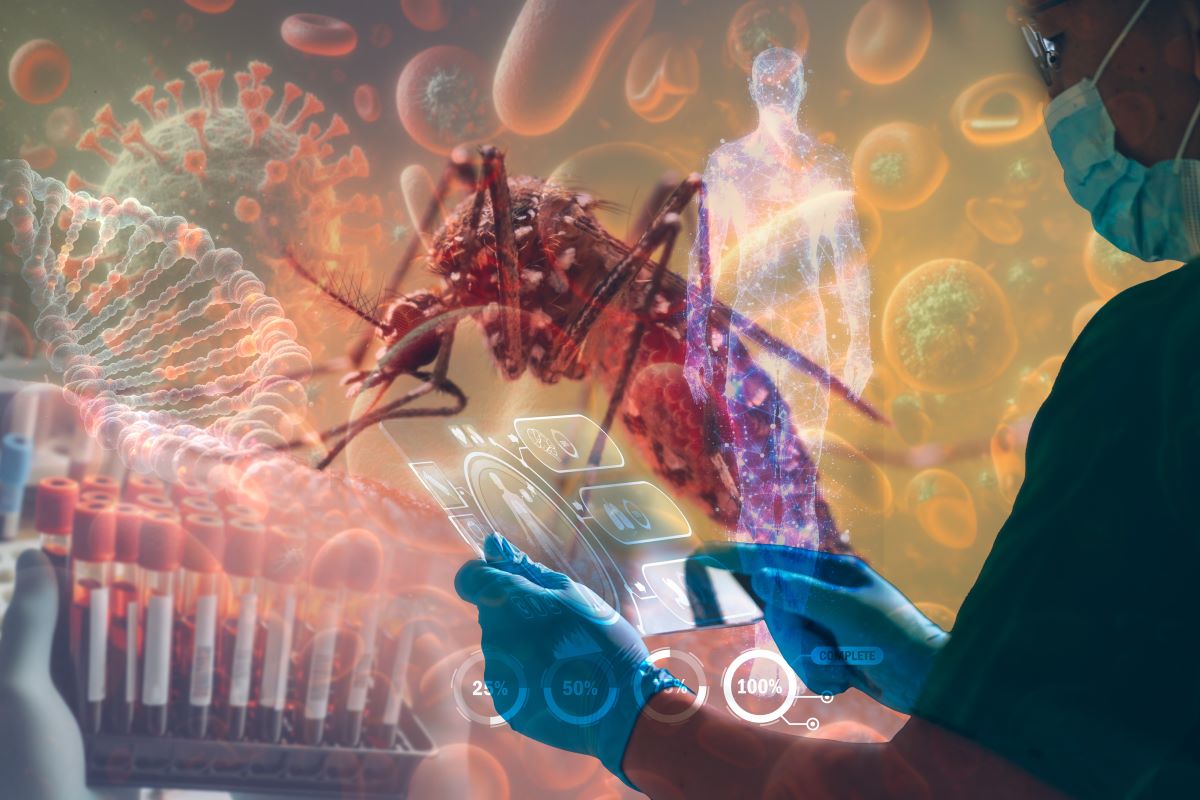
Infectious disease epidemiology is a sub-field of Epidemiology. Building on the foundational concepts in Epidemiology, it focuses on the epidemiologic triad and understanding interactions between the host, agent, and environment, how infectious disease are transmitted, and how we can intervene to prevention and control their spread.
Research in infectious diseases captures a broad focus. Examples include longitudinal analyses to understand the risk factors for infections, like Zika virus, using surveillance data to characterize seasonal transmission dynamics of respiratory infections and risk factors for zoonotic disease, and serology studies to assess past infection history of West Nile Virus. Research is conducted in a variety of settings, including domestic and international locations, academic and clinical/laboratory settings, and in public health practice. Faculty also work closely public health practitioners on efforts to improve infectious disease surveillance and response and ensure research rapidly in translated in practice.
Diabetes and Obesity Epidemiology
Key foci for obesity and diabetes epidemiology research include:
- Population surveillance of obesity, type 1 and type 2 diabetes, and related metabolic conditions.
- Study of biological, social, structural, and behavioral risk factors of obesity and diabetes, with an emphasis on those occurring early in life when many chronic disease risk factors are established and subsequently track over the life course.
- Characterization of the underlying sequence of pathogenic events leading to obesity and/or diabetes (disease etiology), and better understanding prognosis, including risk of complications and comorbidities.
- Intervention programs and trials to prevent and/or delay development of obesity and diabetes and their complications/comorbidities.

Injury, Violence, and Prevention
Injury and Violence Epidemiology and Prevention is a public health field dedicated to understanding, preventing, and reducing the burden of injuries and violence across populations. Using epidemiologic methods, it identifies patterns, causes, and risk factors for both unintentional injuries (such as drug overdoses and motor vehicle crashes) and intentional injuries (including firearm violence, suicide, and partner violence). The discipline develops and rigorously evaluates prevention strategies, then works with policymakers, practitioners, and communities to implement evidence-based programs that reduce incidence and severity. By translating evidence into practical solutions, the field advances safety and health at the population level.