


Our Students
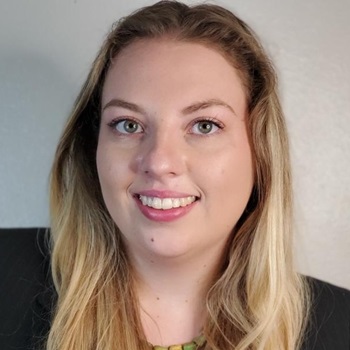
As a non-traditional student, four years out from my undergraduate
studies, I was unsure of my true path in the world of healthcare. My previous
studies prepared me for a career in medicine, but I knew I wanted to make more
of an impact, working in my community, applying techniques that were focused on
the lived experiences of those I was working with directly. As I perused the
options, public health kept standing out to me as it encompasses an umbrella of
topics, each with a common goal to help ALL people! I chose the community and
behavioral health program because I appreciated the program's emphasis on
elevating community voices through real-time practice.
I have enjoyed the graduate school experience as the instructors in
this program truly want you to succeed and be able to practice community and
behavioral Public Health Service! I have learned that public health in the
community and behavioral context means that we not only create and promote
positive social, physical, and mental health practices, but we also rely on the
community voices to expand, reflect, and further empower everyone
in their health goals. I've enjoyed that many courses in the program put this
idea into practice, providing us with real-life experience working with
community members to create tangible deliverables. I also appreciate the many
opportunities to be involved with other students in the program and at the
school. I have joined the PALS program, allowing second-year students to
connect with incoming students; I'm now president of the student council, providing
me with leadership experience and interactions with school representatives; and
I am honored to be representing our school as this year’s ‘This is Public
Health’ (TIPH) ambassador, spreading the word about our programs and
encouraging others to apply to the school!
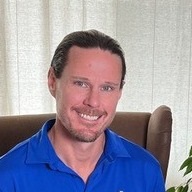
With a background in fitness, I sought opportunities to deepen my knowledge in behavioral health and advance toward understanding the programs and policies that shape health at the community level and beyond. This intellectual curiosity was complemented by my deep appreciation for the spirit and mission of the harm reduction movement, the area of public health for which I feel most personally connected. As a student with a family and job, the hybrid model of the program allowed the flexibility I needed to balance life responsibilities with the desire to learn next to other public health practitioners.
What I valued most about the MPH program was the freedom to explore my personal passions within public health. Thanks to the support of an outstanding preceptor, the time and energy I invested in my Capstone project turned it into a deeply rewarding endeavor. Equally meaningful were the in-person classroom discussions, as they allowed me to learn as much from the lived experiences of my peers as from the assigned material.
Post-graduation has played out differently than I had hoped. The funding cuts in public health are real, and they have made entering the field more difficult since securing my degree in December. With that said, I will be forever grateful for the culture of learning created by my peers and professors, which lead to personal growth that goes beyond the attainment of an academic degree. To truly answer the question, “How did the program prepare you for what you’re doing now?” I would have to say it made me a better man, partner, father, professional, friend, co-worker, neighbor, veteran, and citizen.
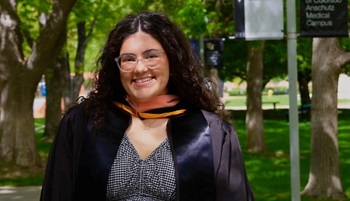
I chose the MPH program in Maternal and Child Health (MCH) at Colorado School of Public Health because I wanted to build a healthcare career supporting youth and families, and I knew this concentration would provide the skills to address the structural barriers that influence their health.
My experiences before graduate school exposed me to inequities in MCH, and I was drawn to COSPH’s strong emphasis on equity and interdisciplinary training. I especially valued the flexibility to explore a wide range of MCH specific electives, which allowed me to tailor my learning while gaining insight from faculty with diverse perspectives and areas of expertise in the MCH field. This program also gave me the chance to apply what I was learning in my courses directly to real-world projects. My biostatistics and epidemiology courses provided the foundation for both my practicum with the Colorado Maternal Mortality Review Committee, where I created deliverables focused on prevention and equity, and my capstone on OB/GYN access for people with disabilities, where I analyzed survey data and developed recommendations to improve care and accessibility. These opportunities not only aligned with my passions but also allowed me to make a meaningful impact by producing deliverables that were valuable to the organizations I worked with.
Currently, I am a Clinical Sciences Professional at Children’s Hospital Colorado, where I work on two youth type two diabetes prevention studies. In this role, I work directly with patients and their families through recruitment, study visits, data collection, and facilitating intervention sessions. My MPH training prepared me for this work by equipping me with the technical and analytical skills while also strengthening my ability to communicate effectively and recognize the broader social factors that shape health outcomes. For me, the most important takeaway from my time in the program is the confidence I gained to bridge data, advocacy, and practice to translate research into meaningful improvements for the health of children and their families.
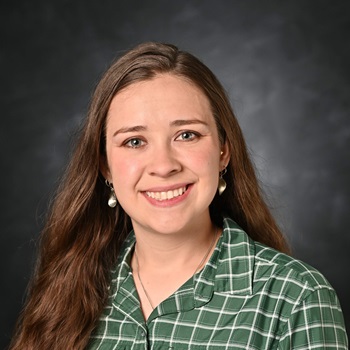
I chose the Master of Public Health (MPH) program at the Colorado School of Public Health (CSPH) because I wanted to pursue graduate studies in an environment that allowed me to combine my unique interests. There are so many reasons I fell in love with public health, and I wanted to learn in an environment that empowered me to explore the topics I was most passionate about. The CSPH provided me with that opportunity; I was able to be on two tracks at the same time (Maternal and Child & Global), and could use the material I was engaging with on one track to supplement my learning in the other. I was also pleased with the certificate programs available, which gave me a framework to learn how to apply my new skills to the specific populations with whom I wanted to work. I can particularly recommend the certificate in American Indian/Alaska Native Public Health.
Since graduating with my MPH, I have begun coursework for a medical degree at the University of Minnesota Medical School, a choice I made in no small part because it allowed me to continue integrating my knowledge of public health into my studies. I always knew that I wanted to be a physician, but my time studying at the CSPH made me realize how deeply invested I am in combining population-level knowledge and community health context with medical practice. I want to provide the best treatment possible for my future patients, and that requires an understanding of their life circumstances and the social determinants of health. I can confidently say that my graduate education has shaped me into a more thoughtful, analytical, and empathetic health professional.
I am also Colorado-raised, and the CSPH is deeply entwined with professional networks in the state. Although I have since relocated for medical school, I know that the faculty and alumni network at the CSPH will always be available to me if I need to turn somewhere for professional advice and development. In short, I was extremely happy with the education I received at the CSPH, and know that it was the best possible environment to prepare me for my vocation at the intersection of medicine and public health.
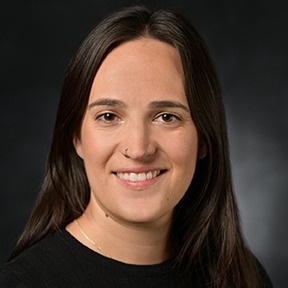
I chose the Colorado School of Public Health's MPH program specifically for its unique Population Mental Health and Well-being concentration. I was driven by a desire to move beyond an individual focus and gain the skills to understand and address mental health challenges at a systemic level. I wanted to learn how to design and communicate effective strategies that build stronger, more resilient communities, and this was one of the few programs that offered this specialized focus on mental health.
The program exceeded my expectations, largely due to the faculty. They were not just instructors, but true mentors who were genuinely invested in my professional growth and consistently created opportunities for me to explore my interests. The curriculum's emphasis on practical application was a major highlight; my practicum and capstone projects provided the hands-on experience that bridged the gap between theory and practice, giving me tangible skills in community-based research and program implementation.
The skills I developed and the professional relationships I built with faculty during those projects directly led to my current position as a Research Assistant. For any prospective student, I can say that this program provides a deeply supportive environment where you can cultivate your passions and gain the concrete skills to launch a meaningful career.
I chose the MPH program for a whole host of reasons, but principally for the Population Mental Health and Wellbeing (PMHW) concentration. During my graduate school search, CoSPH was one of the only schools in the U.S. to offer an entire concentration focused specifically on population mental health research and practice, which is precisely what I wanted to focus on for my MPH degree
What I liked most about the program overall was the people involved — from my peers and classmates to my advisor and professors — the people are what made my MPH experience truly special. When I was sitting in a classroom having rich, thoughtful discussions led by highly knowledgeable, passionate professors and curious, hardworking peers and scholars was when I was learning the most. I will always be grateful for the people I met through my MPH experience.
The program prepared me well for what I’m doing now! I am currently pursuing a PhD in Human Development and Family Sciences at the University of Connecticut, specializing in Health, Well-being, and Prevention. I am in my first semester of my first year, and I am certainly bringing with me a whole toolkit of knowledge from my MPH experience to the HDFS discipline. I have only been here a couple of weeks, but I have already experienced a handful of instances where I can use what I learned in my MPH experience and apply it to my PhD coursework and research; they are both highly interdisciplinary degrees. After earning this degree, I plan to remain in academia in the role of a professor and/or university researcher, both of which will be aided by my MPH experience. I am once again very grateful for the knowledge, tools, and practice that my MPH at CoSPH gave me!
Colorado School of Public Health
CU Anschutz
Fitzsimons Building
13001 East 17th Place
3rd Floor
Mail Stop B119
Aurora, CO 80045