


Richard Hamman Lecture Series
About the series
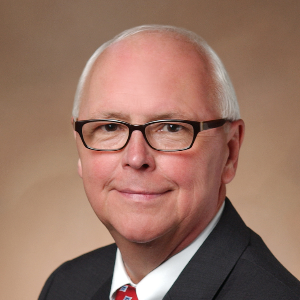
This annual lecture, endowed in honor of founding dean Dr. Richard Hamman, is given by a leader in public health on a topic of interest to the Colorado School of Public Health and the CU Anschutz Medical Campus generally. Dr. Hamman joined the university in 1979 and was instrumental in leading the creation of the Colorado School of Public Health and served as Dean for the school’s first four years.
Upcoming lectures

Scott L. Zeger, John C. Malone Professor of Biostatistics and Medicine at the Johns Hopkins Bloomberg School of Public Health and School of Medicine
Scott Zeger, PhD, MS
Is Improving U.S. Health Care a Public Health Responsibility? How does AI Play a Role?
When: Tuesday, April 7, 12:00-1:30 p.m.; Doors open at 11:30 a.m.; Lunch provided.
Where: Education 2 South 600 Auditorium
Who: CoSPH faculty, staff, and students; Hopkins alumni are also invited to attend
Today, the U.S. health care system wastes about $1.1T per year, or 5% of the nation’s GDP. A sizeable fraction of this waste has been attributed to sources that involve poorly informed or incented clinical decisions (Berwich, 2012; Shrank et al 2019). The broad goal of the Johns Hopkins Intelligent Healthcare (Hopkins inHealth) project is to test the potential for reducing a part of this waste by clearly communicating relevant statistical evidence to a clinician and patient at each major decision. Specifically, inHealth seek to better inform answers to the following clinical questions: what is this patient’s current disease state and trajectory; is this patient a member of a clinical subgroup for which treatment has been tailored; among the available treatments, which has the optimal expected outcome?
Using examples, this talk will cover essential informatics infrastructure to improve health care; a role for Bayesian hierarchical models and machine learning analogues; and the challenges of communicating statistical evidence to clinicians and patients within the EHR workflow. Opportunities for statistical and data scientists to improve patient outcomes while reducing waste will be highlighted.
Panelists
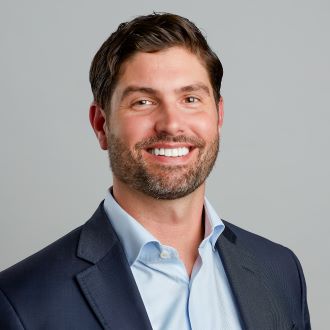
Brett Atwood, JD
President, RefinedScience
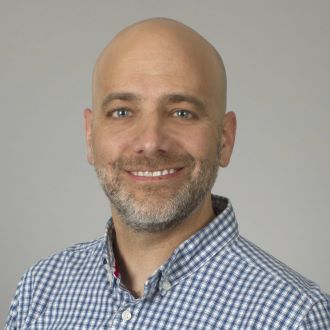
David Conti, PhD, MS
Professor & Chair, Department of Biostatistics & Informatics, Colorado School of Public Health
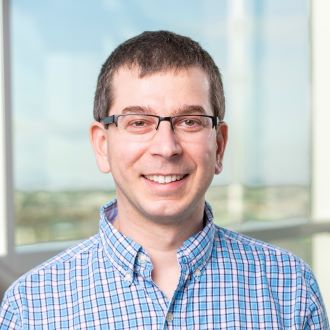
Casey Greene, PhD
Professor & Chair, Department of Biomedical Informatics, CU Anschutz School of Medicine Director, Colorado Center for Personalized Medicine
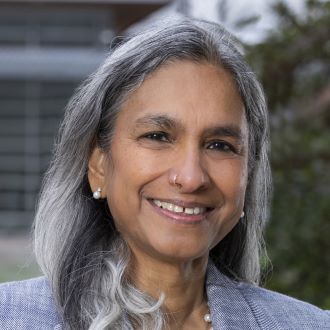
Jayashree Kalpathy-Cramer, PhD
Chief, Division of Artificial Medical Intelligence, Endowed Chair in Data Sciences, Dept. Ophthalmology at CU Anschutz School of Medicine
Keynote Speaker & Panelists Bios
Past lectures
To view recordings of past lectures, please visit our YouTube channel.

Shelley Hearne, DrPH
"Facts Matter: Effectively Engaging in Policymaking During Turbulent Times" Talk
"How You Can Have Impact in the Policies Driving Health: A Practical Workshop for Public Health Professionals"
Hungry to make your work impactful in the policy world? Join us for a dynamic three-hour workshop designed to demystify the ins and outs of effective policy engagement. In this session, we’ll explore how to align your interests and issues with actionable advocacy strategies while considering your comfort level and personal approach. Whether you're new to advocacy or looking to expand your skills, this workshop will equip you with the tools to boost your influence in policy discussions.
Advocacy has become a critical skill required by institutions like the Council on Education for Public Health, the Council on Linkages between Academia and Public Health Practice, and other prominent organizations. However, research indicates that many public health professionals, both in practice and academia, lack sufficient training in this area. This workshop offers a safe and supportive space for exploring new ways to elevate public health support during challenging times.
The workshop will be led by Shelley Hearne, the Deans Sommer & Klag Distinguished Professor of the Practice at Johns Hopkins Bloomberg School of Public Health, and director of the Lerner Center for Public Health Advocacy. Shelley will be joined by Colorado faculty and leaders to provide hands-on insights into how you can become a key resource in shaping laws and policies that impact health outcomes. Prepare to engage in problem-solving exercises designed to strengthen your advocacy capabilities and build your confidence in making a difference.
This lecture took place on April 8-9, 2025.
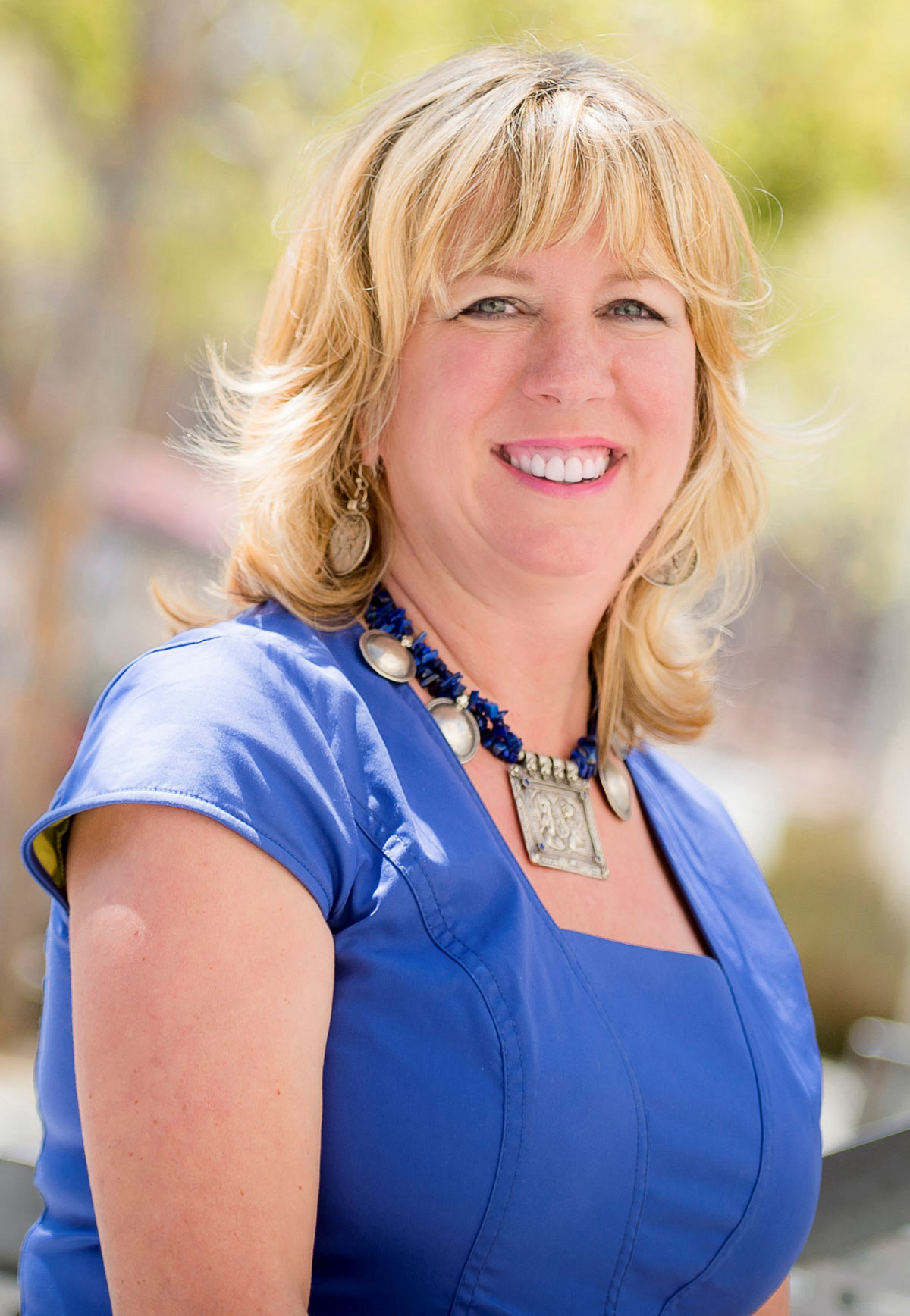
Steffanie Strathdee, PhD
"The Perfect Predator: A Scientist's Race to Save Her Husband from a Deadly Superbug"
Steffanie Strathdee is an infectious disease epidemiologist who is Associate Dean of Global Health Sciences and Harold Simon Distinguished Professor of Medicine at the University of California San Diego where she now codirects the Center for Innovative Phage Applications and Therapeutics (IPATH). She is also an Adjunct Professor of Epidemiology at Johns Hopkins Bloomberg School of Public Health. In 2016, Strathdee and colleagues were credited with saving her husband’s life from a deadly superbug infection using bacteriophages–viruses that attack bacteria. The case, which involved cooperation from three universities, the U.S. Navy, and researchers across the globe, shows how phage therapy is a future weapon against multi-drug resistant bacterial infections which are expected to kill 10 million people per year by 2050. Strathdee and her husband, Thomas Patterson, co-authored a book on their story.
This lecture and Arts in Medicine event took place on April 4, 2022.
Watch a recording of the Arts in Medicine event with Strathdee and Patterson >
Alfred Sommer, MD, MHS
"The Public's Health: Past, Present, Future?"
Alfred Sommer, MD, MHS is a professor of epidemiology and Dean Emeritus of the Johns Hopkins Bloomberg School of Public Health. An ophthalmologist and epidemiologist, his research showed that Vitamin A supplementation reduces childhood mortality and maternal mortality, leading to interventions that have saved millions of lives. He has long been a leader in academic public health. He is a member of the National Academies of Sciences and of Medicine, and a recipient of the Albert Lasker Clinical Medical Research Award.
This lecture took place on September 16, 2020.