


$55M in external funding
Research
Our Focus
Our faculty and students conduct research on population-level disease prevention, health promotion, health policy, and more. We have a tradition of excellence in research and the application of that knowledge through public health practice and service. Our experienced faculty share their research with community leaders, policymakers, and fellow researchers to better inform the public, respond to emergencies, and provide counsel on emerging health issues facing communities.
Our research- and practice-focused centers specialize in a wide range of important public health topics—including diabetes epidemiology, cancer prevention, and statistical consulting—and are nationally, if not internationally, recognized for
their work. Our Center for Global Health is the only World Health Organization Collaborating Center for Promoting Family and Child Health in the Americas. We’re also home to nationally-funded research centers including the Colorado Integrated
Food Safety Center of Excellence, one of six centers of its kind funded by the Centers for Disease Control & Prevention (CDC); Rocky Mountain Public Health Training Center, one of 10 centers funded by the Health Resources and Services Administration
Agency; and the Center for Health, Work & Environment (one of 10 centers of its kind funded by the CDC).
Contact Information
If you need specific guidance on your research, contact your department chair or Associate Dean for Research, Dana Dabelea:
- Department of Biostatistics & Informatics: David Conti
- Department of Community & Behavioral Health: Jenn Leiferman
- Department of Environmental & Occupational Health: Beth Carlton
- Department of Epidemiology: Jill Norris
- Department of Health Systems, Management & Policy: Glen Mays
Our Team
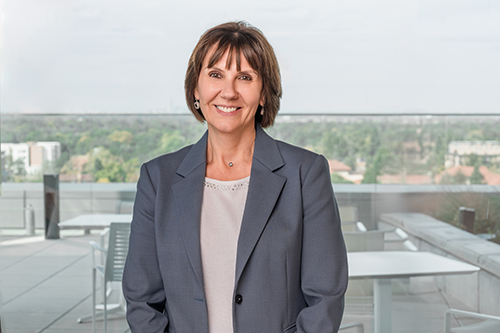
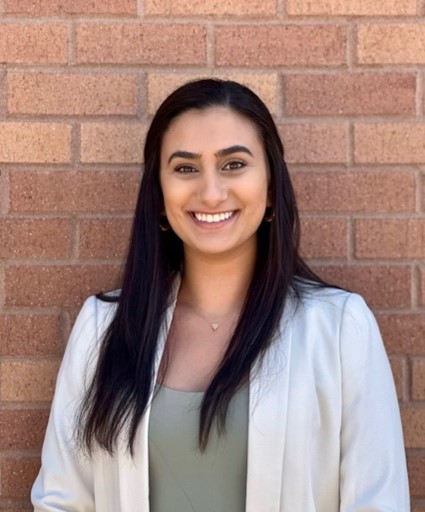
Dana Dabelea MD, PhD
Associate Dean of Research, Conrad M. Riley Distinguished Professor, Director (LEAD Center)
Collaborative Research Spotlight
Resistance, Strategic Compromise, or Complicity? Physicians’ Choices under Ethical Pressure
Matthew K. Wynia
Public Health Impact Statement: I started thinking about writing this essay when some colleagues were let go from their positions at the CDC, others resigned in protest, and still others decided to stick it out despite enormous challenges. I talked about these cases with a colleague, who asked me to formulate some thoughts on complicity and resistance for the Moral Leadership in Medicine conference at Harvard last winter. In doing so, I realized how easy it was for me to judge others as being complicit, or to feel self-satisfied thinking I would do better and be braver if I were in their shoes. But when I thought about specific people who have quit or stayed despite enormous pressure to compromise their professional ethics, I don’t know which actually required more bravery or a stronger moral compass. There are so many factors at play, some of which are private. In a recent book, Defy: How to Speak Up When It Matters, Dr. Sunita Sah also notes that it often takes time to gather the skills and pick the right circumstances to openly defy an injustice. Rosa Parks is an icon of defiance, but imagine how many times in her life she must’ve sat in the back of the bus before she found the right time to refuse; I would never criticize her for taking too long. So, in the end, this article became a plea for empathy toward each other. Science, medicine, public health, and universities are all under enormous ethical pressure today. We need to extend each other some grace and look for ways to support each other. And maybe if we have each other’s backs, it will become easier for each of us to resist pressures to act against our ethics.
_____________
Hope and Fear: A Survey of Eco-Emotions and Climate Anxiety, Activism, and Well-Being Among Older Adolescents in Northern California
Kelly L. L’Engle, Julianna Sahoo, Gwendolyn M. Hoff Anderson, Elise Brown, and Lexi Nutkiewicz
Public Health Impact Statement: Climate change is a critical public health challenge, and its mental health impact on adolescents is one we can no longer afford to overlook. As public health professionals, researchers, and communicators, we have a responsibility to address the realities young people face while also fostering the hope and empowerment that fuel pro-environmental action and advocacy. Every young person deserves the chance to pursue their dreams in a safe, environmentally sound world.
_____________
Randomized Controlled Trial of Upper Esophageal Sphincter Assist Device in Laryngopharyngeal Reflux Disease
Rena Yadlapati, Lorijane Robles, Mary K Clarke, Eric E Low, Erin Walsh, Amanda J Krause, and Alexander Kaizer
Public Health Impact Statement: Laryngopharyngeal reflux disease is a common condition that can cause chronic cough, throat irritation, and voice problems, yet effective treatments remain limited for many patients. This randomized controlled trial demonstrated that a noninvasive upper esophageal sphincter assist device was safe, well tolerated, and that low pressure in the control arm and higher pressure in the treatment arm both resulted in improved symptoms and lower biomarker burdens. These results suggest that noninvasive strategies may complement or be able to replace pharmaceutical interventions in this population.
_____________
Associations of Self-Reported and Actigraphic Sleep with Gut Microbiome Composition and Diversity Among Older Adults
Curtis Tilves, Calliope Holingue, Sarah K Wanigatunga, Chee W Chia, Ni Zhao, Mark N Wu, Jennifer A Schrack, Eleanor M Simonsick, Luigi Ferrucci, Toshiko Tanaka, Adam P Spira, and Noel T Mueller
Public Health Impact Statement: Poor sleep is common among older adults and is linked with adverse metabolic, cognitive, and mental health outcomes, but the biological mechanisms underlying these associations are poorly understood. In our study, both self-reported sleep problems and objectively measured sleep disturbances were associated with lower abundance of the bacterial species, Eubacterium sp. CAG:251, in the gut microbiome. Although these cross-sectional studies require longitudinal confirmation, they identify a potential microbial link between sleep and healthy aging that may ultimately inform new strategies to promote health in later life.
Faculty Highlight of the Month
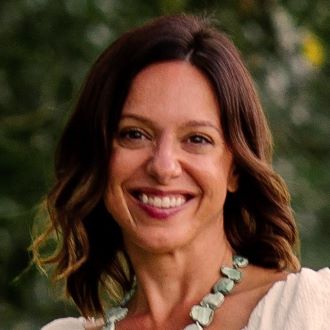
Chelsea Wesner, DrPH, MPH, MSW
Dr. Chelsea Wesner (she/her) is an Assistant Research Professor within the Centers for American Indian and Alaska Native Health (CAIANH) and the Department of Community and Behavioral Health. She is honored to have partnered with Tribal communities for nearly 20 years through public health research and practice in her current role at CAIANH, and in past roles at the University of South Dakota, the University of Oklahoma, and the Centers for Disease Control and Prevention. In her current role, Dr. Wesner leads research that applies Indigenous research methodologies to understand, measure, and promote early relational wellbeing and family economic wellbeing. She also co-leads research-practice partnerships that aim to build evidence and understanding about home visiting and wellbeing in Indigenous communities. This culturally grounded, intergenerational research holds great promise for informing future practice, research, and policy. Dr. Wesner is an Ascend Fellow at the Aspen Institute and serves as an advisor on multiple national early childhood, maternal and child health, and family economic wellbeing efforts. She lives in South Dakota. Her roots are in Oklahoma, and she's a citizen of the Choctaw Nation of Oklahoma.
Check Out Dr. Wesner's Recent Publication:
“From Vulnerability to Hope: Experiences with COVID-19 over Time in Rural America"
Quick Facts
800+ publications
Ranked 17th in NIH funding for SPHs
Featured Projects
Principal Investigator: Dana Dabelea, MD, PhD
Researchers Involved: Dana Dabelea, Anne Starling, Brianna Moore
About the Study: Similar to the Healthy Start study, this study is apart of the Environmental Influences on Child Health Outcomes (ECHO) Study. Mile-High ECHO is a new cohort recruiting pregnant individuals and their partners, to study how exposures before and after birth affect child health outcomes. This research can be used to promote policy and practice that is aimed at reducing adverse environmental exposures. Our site works with Denver Health and the University of Colorado Hospital to enroll a diverse group of participants. As part of the nationwide ECHO consortium, we will explore how early-life exposures impact the risk of obesity and neurodevelopment. Our goal is to identify ways to improve child health from preconception through early life.
Learn more at https://echochildren.org/ and https://www.milehighecho.org/.
Principal Investigator: Lee Newman, MD, MA
Researchers Involved: Lee Newman, Lyndsay Krisher
About the Study: Women who live in agricultural communities in Latin America are exposed to extreme heat, humidity, and air pollutants, especially if they are employed in agriculture. The goal of this 5-year NIH-supported study is to examine the environmental determinants of kidney injury among Guatemalan women working in sugarcane and banana plantations.
Definition, Etiology, Function: INtegration to Enhance Type 2 Diabetes treatment (DEFINE-T2D) Consortium
Principal Investigator: Katerina Kechris, PhD
Researchers Involved: Katerina Kechris, Wei Perng, Leslie Lange, Ivana Yang
About the Study: In 2024, the National Institute of Diabetes and Digestive and Kidney Diseases (NIDDK) funded the DEFINE-T2D consortium to better understand heterogeneity in T2D. Leveraging data on clinical, genetics, omics, environmental exposures, lifestyle behaviors, and social factors, major goals of DEFINE-T2D are to: 1) develop a broadly applicable framework for identifying subtypes of T2D; and 2) increase understanding of the physiologic drivers of T2D subtypes to guide development of more effective precision interventions DEFINE-T2D is composed of four study sites (12 PIs/MPIs) bringing data from 13 cohorts, four randomized controlled trials, and six electronic health records/biobanks, contributing N>4.8 million individuals – primarily adults – with prediabetes or T2D. Data analysis coordination and operations are overseen by the Biostatistics Research Center (BRC).
Resources

Colorado School of Public Health
CU Anschutz
Fitzsimons Building
13001 East 17th Place
3rd Floor
Mail Stop B119
Aurora, CO 80045
CMS Login