


Our Team
Core Faculty & Staff
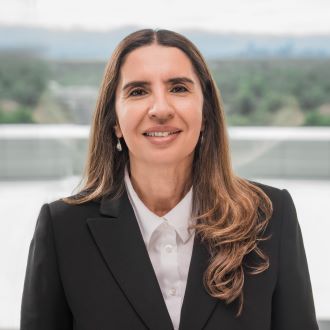
Madiha Abdel-Maksoud MD, PhD, MSPH
Associate Dean for Academic & Student Affairs, Clinical Teaching Associate Professor
- Center for Global Health
- Colorado School of Public Health - Office of the Dean
- Community Epidemiology & Program Evaluation
- Department of Epidemiology
- Pediatrics (SOM)
Dr. Abdel-Maksoud is a physician and researcher who completed her medical degree in Egypt from Tanta University School of Medicine, and her PhD degree in epidemiology from the Colorado School of Public Health. She is the associate dean for academic and student affairs at the Colorado School of Public Health, director of the global health track at the CU School of Medicine and the director of the global health programs (MPH and Certificate in Global Health) at the Colorado School of Public Health. Prior to obtaining her PhD in epidemiology, Dr. Abdel-Maksoud taught, practiced medicine, and did research in Egypt. After finishing her PhD degree, Dr. Abdel-Maksoud spent two years as a postdoctoral fellow studying the racial/ethnic differences in obesity and its biomarkers. Her work in obesity earned her an award from the prestigious Obesity Society. She is a chronic disease epidemiologist, and her global health work is currently focused on child development projects in Guatemala through the Center for Global Health. She is also currently investigating the barriers and facilitators of cancer screening among the U.S. Muslim community in order to develop culturally sensitive interventions to enhance the cancer screening practices of this population.
Areas of Expertise
- Global burden of smoking
- Refugee and immigrant mental health
- Barriers and facilitators of cancer screening among Muslim immigrants in the US
Education, Licensure & Certifications
- University of Colorado Denver, PhD, Epidemiology, 2004
- Tanta University School of Medicine, Egypt, MSPH, 1995
- Tanta University School of Medicine, Egypt, MD, 1989
Affiliations
- Senior Investigator, Center for Global Health
- Director of Global Health Track, School of Medicine
Senior Investigators
Madiha Abdel-Maksoud MD, PhD, MSPH
Associate Dean for Academic & Student Affairs, Clinical Teaching Associate Professor
- Center for Global Health
- Colorado School of Public Health - Office of the Dean
- Community Epidemiology & Program Evaluation
- Department of Epidemiology
- Pediatrics (SOM)
Dr. Abdel-Maksoud is a physician and researcher who completed her medical degree in Egypt from Tanta University School of Medicine, and her PhD degree in epidemiology from the Colorado School of Public Health. She is the associate dean for academic and student affairs at the Colorado School of Public Health, director of the global health track at the CU School of Medicine and the director of the global health programs (MPH and Certificate in Global Health) at the Colorado School of Public Health. Prior to obtaining her PhD in epidemiology, Dr. Abdel-Maksoud taught, practiced medicine, and did research in Egypt. After finishing her PhD degree, Dr. Abdel-Maksoud spent two years as a postdoctoral fellow studying the racial/ethnic differences in obesity and its biomarkers. Her work in obesity earned her an award from the prestigious Obesity Society. She is a chronic disease epidemiologist, and her global health work is currently focused on child development projects in Guatemala through the Center for Global Health. She is also currently investigating the barriers and facilitators of cancer screening among the U.S. Muslim community in order to develop culturally sensitive interventions to enhance the cancer screening practices of this population.
Areas of Expertise
- Global burden of smoking
- Refugee and immigrant mental health
- Barriers and facilitators of cancer screening among Muslim immigrants in the US
Education, Licensure & Certifications
- University of Colorado Denver, PhD, Epidemiology, 2004
- Tanta University School of Medicine, Egypt, MSPH, 1995
- Tanta University School of Medicine, Egypt, MD, 1989
Affiliations
- Senior Investigator, Center for Global Health
- Director of Global Health Track, School of Medicine