


Our Team
Directors
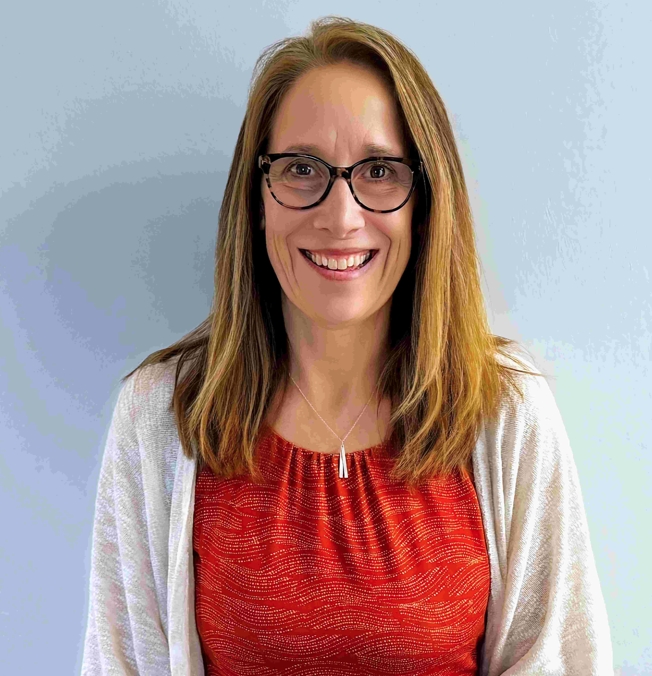
Jenn Leiferman PhD
Professor (CBH), Director (RMPRC), Founder (PMHW)
Email:[email protected]
Phone:303-724-8169
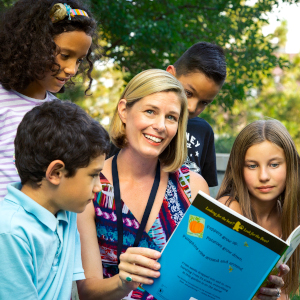
Jini Puma PhD
Associate Director (RMPRC); Professor, Clinical Teaching Track
Email:[email protected]
Core directors and advisors
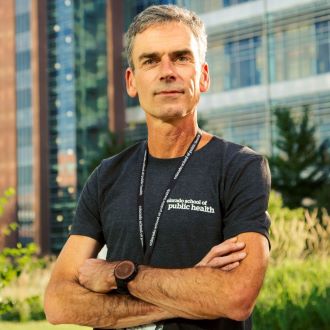

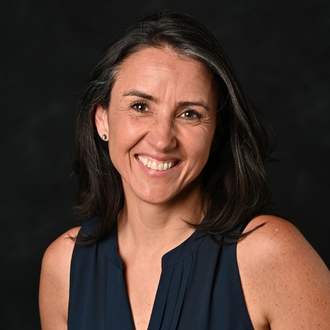
Elaine Scallan Walter PhD, MA
Professor, Director (RMPHTC), Co-Director (Colorado Integrated Food Safety CoE)
Email:[email protected]
Affiliated faculty
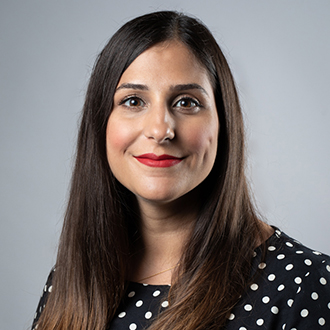
Megan Cherewick PhD, MPH
Assistant Professor, CBH Global Concentration Director, CDR Certificate Director, MPH Concentrations Director
Email:[email protected]
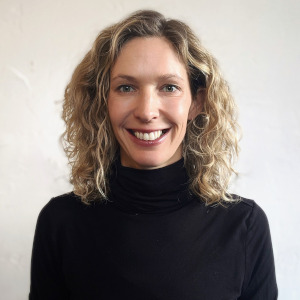
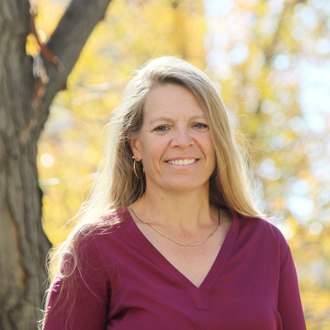
Katherine James PhD, MS, MSPH
Associate Professor, Climate & Human Health Doctoral Program Director
Email:[email protected]
Phone:303-724-8169
Beth McManus PT, MPH, ScD
Professor, MPH Concentration Program Director
Email:[email protected]
Phone:303-724-6528
Center administration and project staff

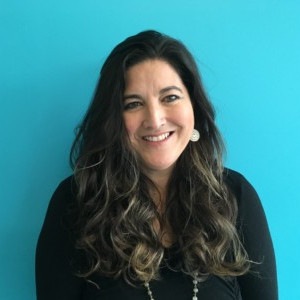
Joanna Coleman MA, BA
Program Director for Ambassadors for Literacy and Resiliency
Email:[email protected]
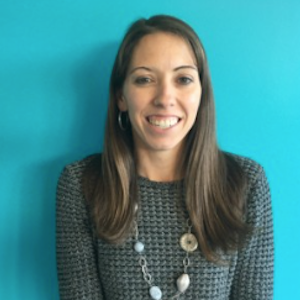
Emily Maiurro MS
Research Scientist, Senior Health Promotion Coordinator (RMPRC)
Email:[email protected]
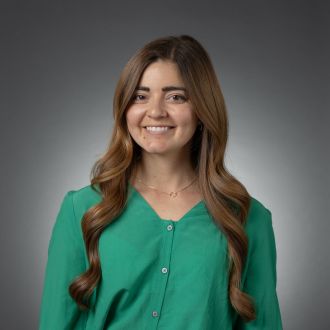
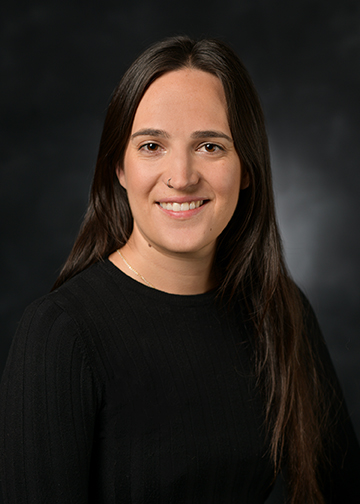
Julia Pangalangan DrPH, MS
Senior Professional Research Assistant III, Teaching Assistant, Post-Doctoral Fellow
Email:[email protected]
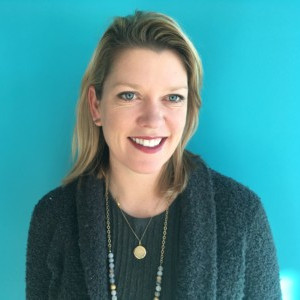
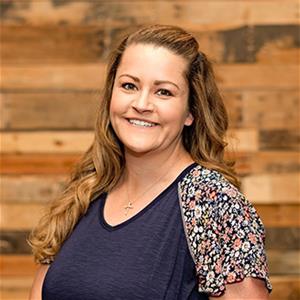
Jennie Quinlan MPH
Senior Professional Research Assistant, Program Evaluator
Email:[email protected]
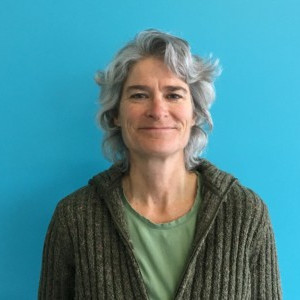
Sharon Scarbro MS
Center Biostatistician, Senior Professional Research Assistant
Email:[email protected]
Phone:303-724-4392
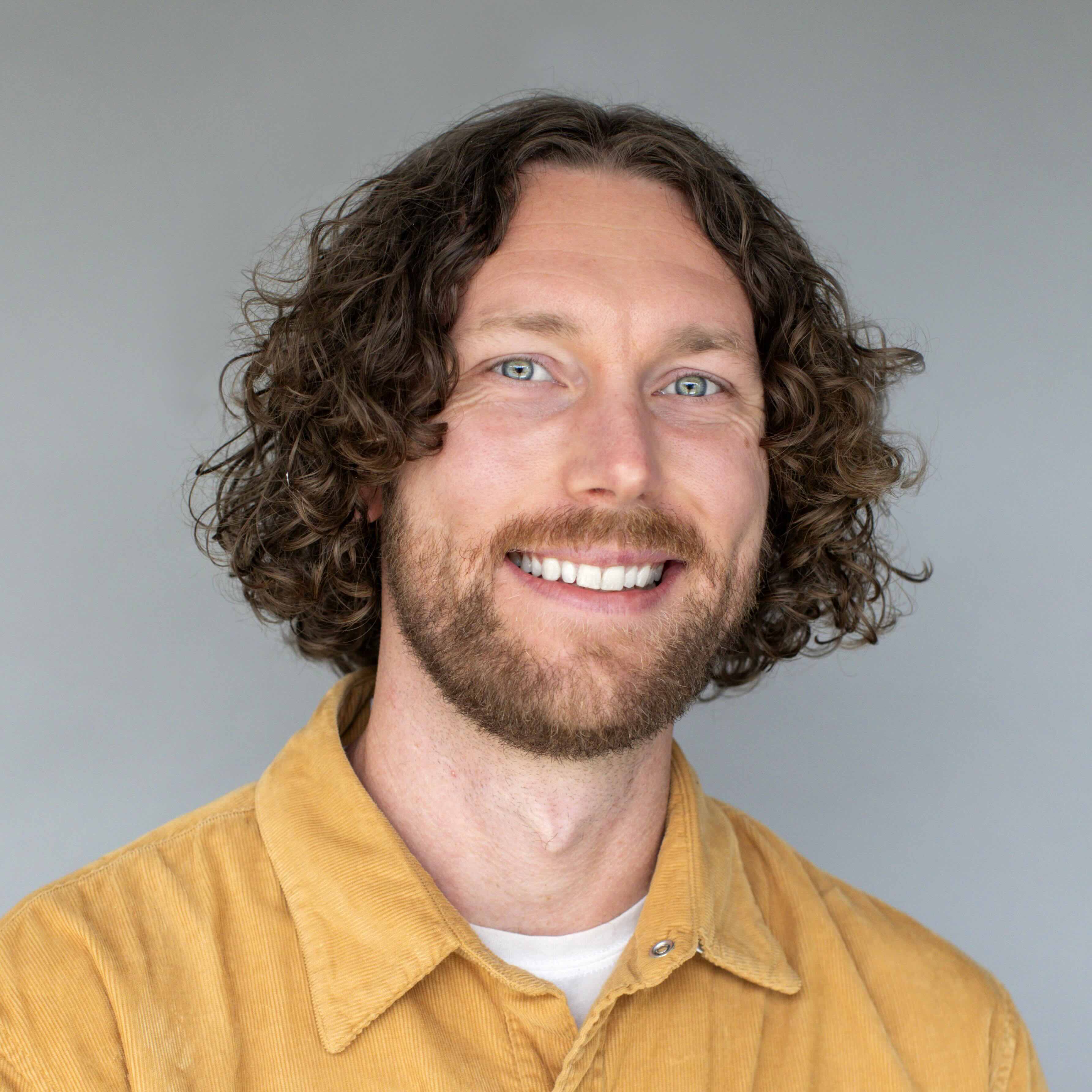
Visit the directory for all members of our team, including affiliated staff. To find out more about our local and academic partnerships, check out our partners page.
Denver Team Member Highlight
/charlotte_biopic4_edited.jpg?sfvrsn=e45232bb_3 "Charlotte Farewell")
Charlotte Farewell, PhD, MPH, Assistant Professor - Research, University of Colorado Anschutz Medical Campus
Tell me a little about your background and previous experience.
I am an Assistant Professor with the Rocky Mountain Prevention Research Center and Director of the Population Mental Health and Well-being concentration at the Colorado School of Public Health. After receiving my MPH from the Tulane School of Global Health and Tropical Medicine with a focus on maternal and child health.
Why did you decide to work at CU and with the RMPRC?
I started working with the RMPRC as a Professional Research Assistant because of their focus on community-based participatory research and well-being promotion.
What are you currently working on?
I am now a Principal Investigator/Co-Principal Investigator on intervention projects which seek to promote the well-being of low-resourced populations (e.g., pregnant and postpartum individuals, early care and education caregivers). I am currently PI of a training grant funded by the National Institute of Minority Health and Health Disparities (Mothers Optimizing Resources Everyday (MORE)) where the primary research objective is to integrate advanced analytical modeling with qualitative data to inform the timing, duration, content and delivery modalities of a multi-level psychological capital intervention rooted in mindfulness-based best practices to promote perinatal well-being among specific low-resourced sub-groups. Her research experience, to date, is centered around three overarching goals: (1) to build expertise related to the analysis of developmental research questions using quantitative and qualitative methods, with specific focus on mental health (depression, stress, and anxiety) during sensitive periods (prenatal, postpartum, early childhood), (2) to investigate non-pharmacological methods (e.g. mindfulness and positive psychology interventions) that can be targeted and/or mobilized to optimize population mental health and resilience, and (3) to advance research in the field of dissemination science to identify core constructs that are most critical to enhance the uptake of evidence-based behavioral interventions into community and clinical settings. She enjoys collaborating with, and learning from, the excellent interdisciplinary researchers at the RMPRC, using mixed methods to investigate novel research questions, and partnering with local, national, and international communities.